BPS (Biofunctional Prosthetic System) and
SEMCD (Suction Effective Mandibular Denture)
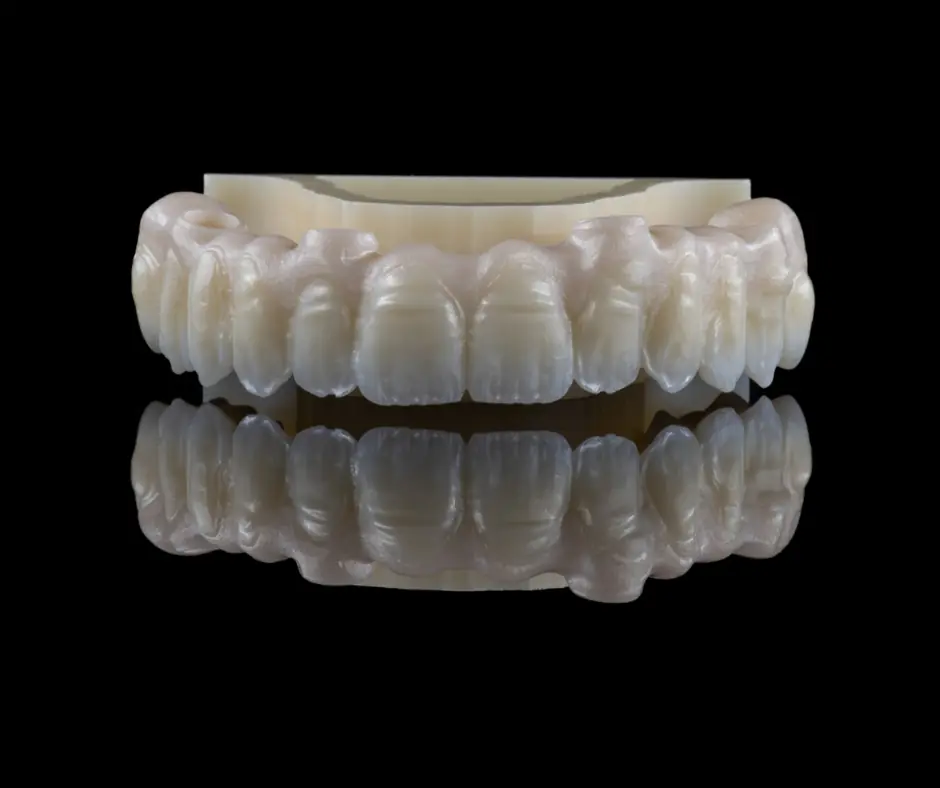
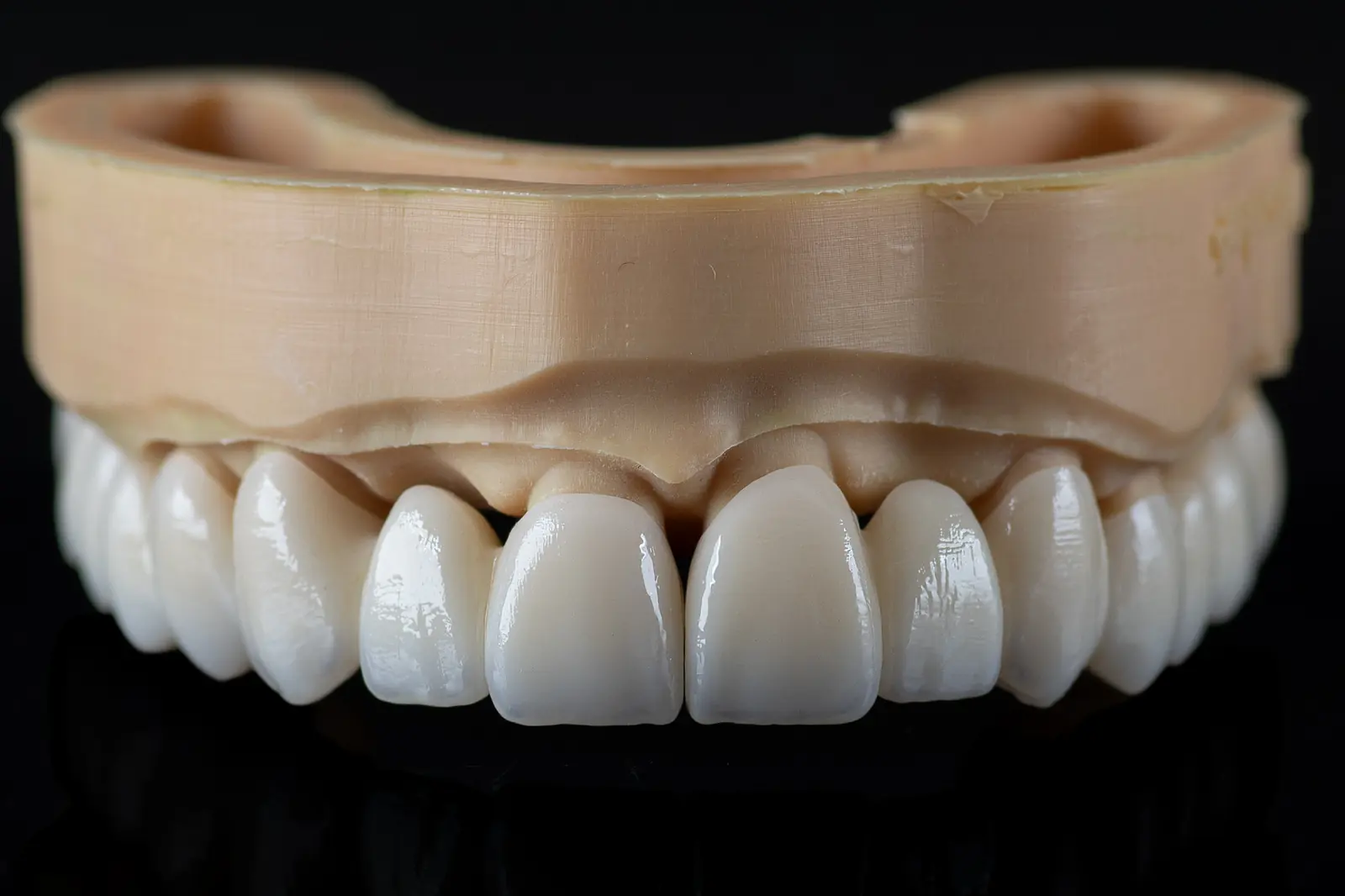
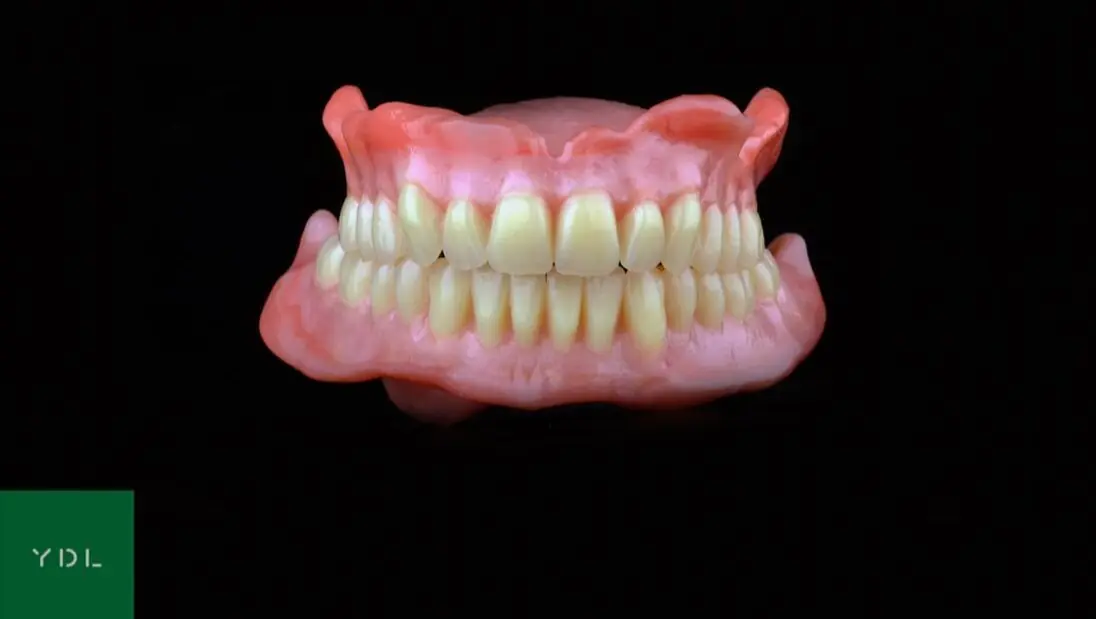
The system of Ivoclar Vivadent is a comprehensive technique for making removable dentures, based on close cooperation between the clinician and the dental technician. Its use helps to produce functional, aesthetic and excellently fitting dentures through easily learned, predictable, simply executable and stress-free workflows. It offers tangible advantages over the conventional procedure for the patient, the clinician and the dental technician alike.
Main differences:
The principle of denture base stability
A)
In the conventional procedure we aim for the largest possible extension of the denture base, in order to stabilise the dentures.
BPS)
When making a suction-effective denture, the greatest emphasis is on the contact with the soft tissues. The suction effect is created by close contact between the denture base and the mucosa. This affects the anatomical impression, the custom trays and the functional impression.
The anatomical impression
A)
The impression is taken with an open mouth and under pressure, so the soft tissues are displaced from their resting position in the process
BPS)
The impression is taken with a closed mouth, under low pressure, so no deformation of the mucosal structures occurs
The design of the custom trays
A)
The aim of the functional impression is to reproduce the largest possible surface, and the extension of the trays follows from this
BPS)
The extension of the custom trays is smaller; the aim of the functional impression is to reproduce the soft tissues that help hold the denture base in place
The functional impression technique
A)
Open-mouth technique. The functional movements are generally controlled by the clinician.
BPS)
Closed-mouth technique. Determined by functional movements made by the patient.
Making a BPS denture requires a total of 4 clinical appointments:
Oral examination
Anatomical impression with the double-impression technique
Preliminary bite registration
2. Functional impression
Determining the centric registration
3. Try-in
4. Delivery
Its greatest advantage is that it gives clearly traceable guidance for each step, on both the clinical and the dental laboratory side. Every completed process can be checked. For the patient, only 4 appointments are needed up to delivery.
A system that really works.