Wax-up / Mock-up / Prototype
Thorough planning of the restorations to be made is useful in every case for the success of a restoration, and essential in aesthetic cases, implant cases and cases requiring full-mouth rehabilitation.
This planning has to begin in the practice, right after the diagnosis is established, so that the dental laboratory has the appropriate information and we can provide treatment that is genuinely achievable.
The information the laboratory needs is the following:
- can the vertical dimension be changed? ("bite raising")
- information about the planes that are essential for aesthetic restorations — most easily from photographs
- is there scope for crown lengthening, with gingivoplasty
- which teeth the restoration will extend to
- is there scope for removing tooth substance
- what type of restoration is preferred: veneer/tabletop, overlay, crown
Only in possession of this information can we later produce designs that are genuinely achievable!
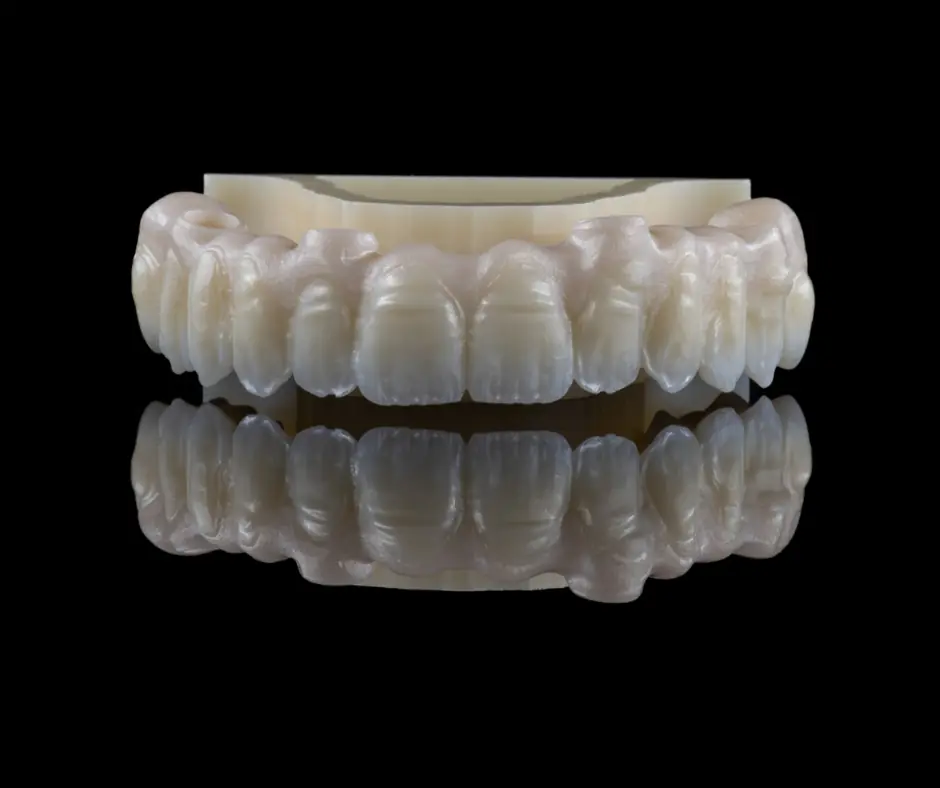
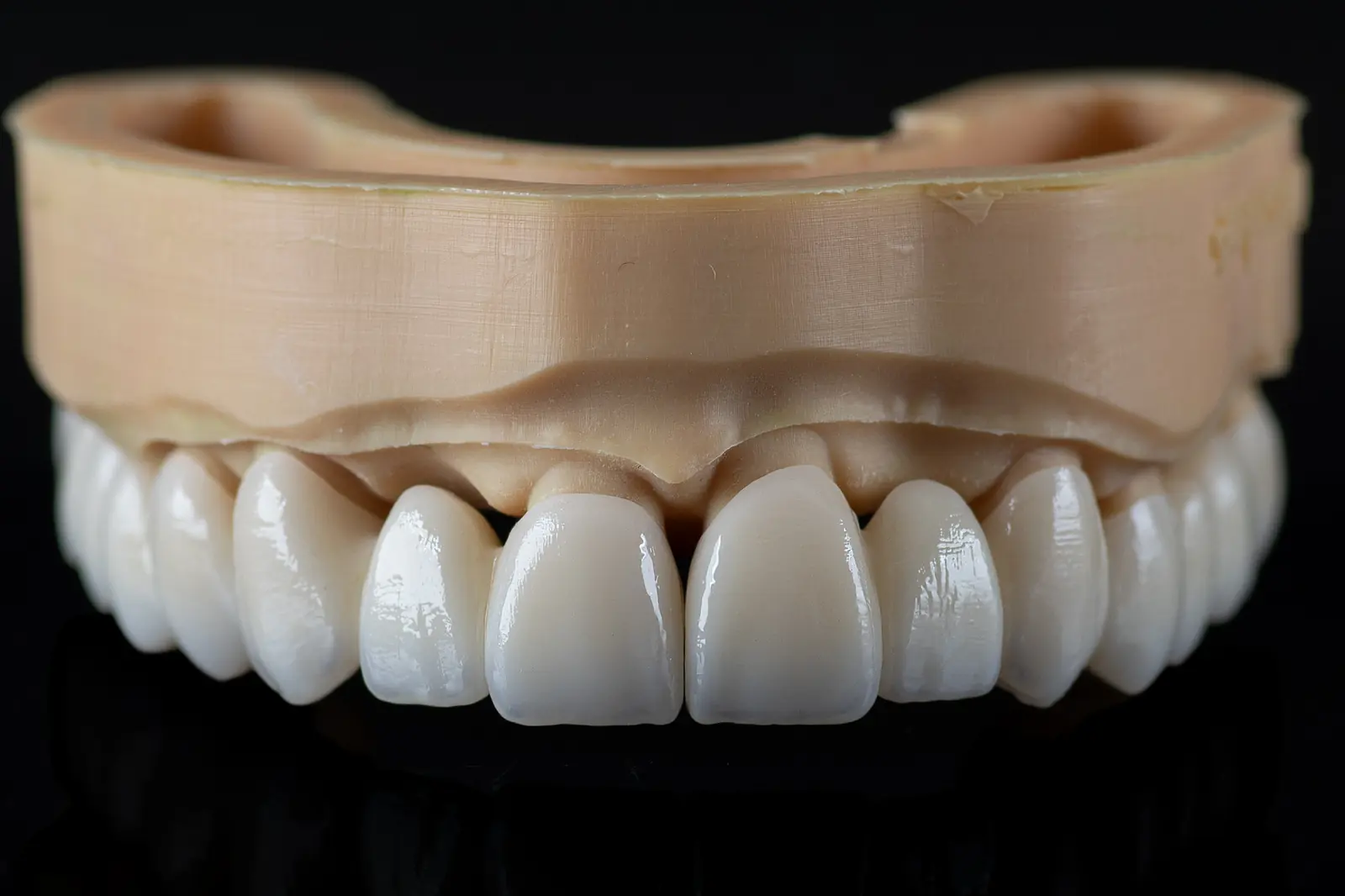
The design of the desired tooth forms is traditionally a waxing made on study casts (wax-up), but we can also produce it digitally, from stone models and from intraorally scanned data alike (digital wax-up). The digital version can be adjusted more flexibly if modifications are needed; however, for further use we always have to create a physical model, in this case by 3D printing.
We can make use of the waxed or printed design in many ways during the further phases of treatment:
- simply as a demonstration tool towards the patient
- with the help of a silicone key we can make a mock-up, which presents the definitive restoration in situ
- the mock-up serves as an aid during preparation, so that only the minimum necessary tooth substance is removed
- after this, with the help of the silicone key the chairside temporary can be made immediately, and this phase then gives an opportunity to test the restoration
- knowing the final form helps with producing the definitive restorations
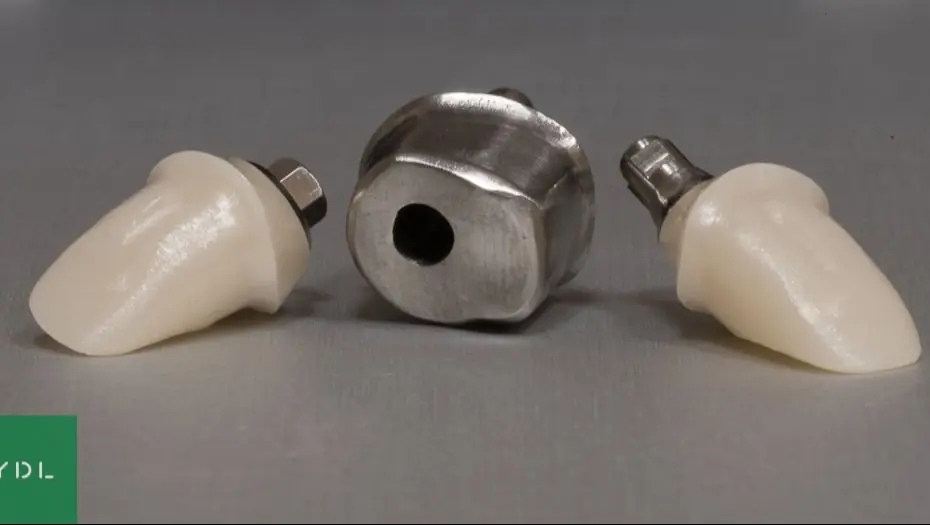
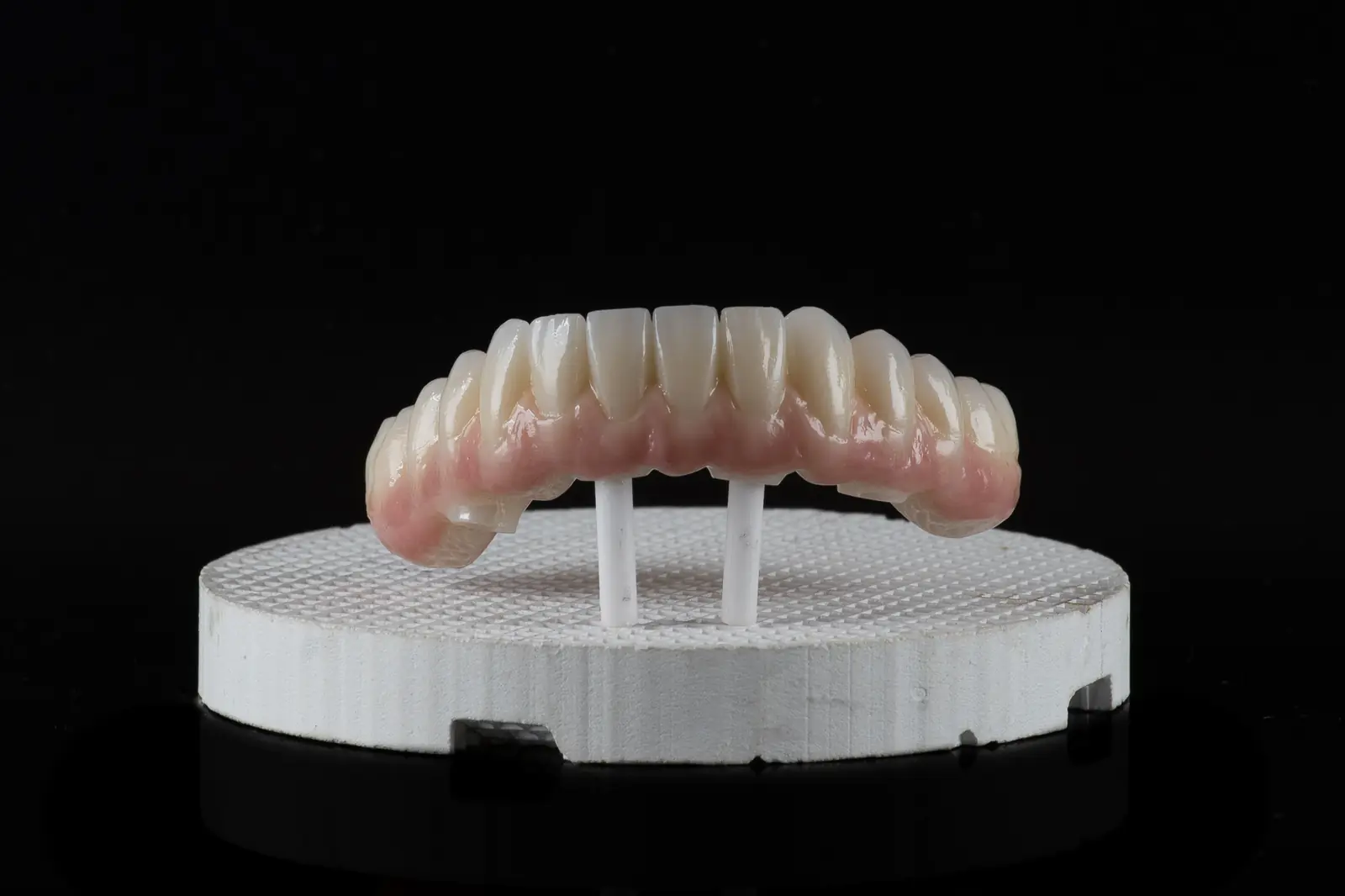
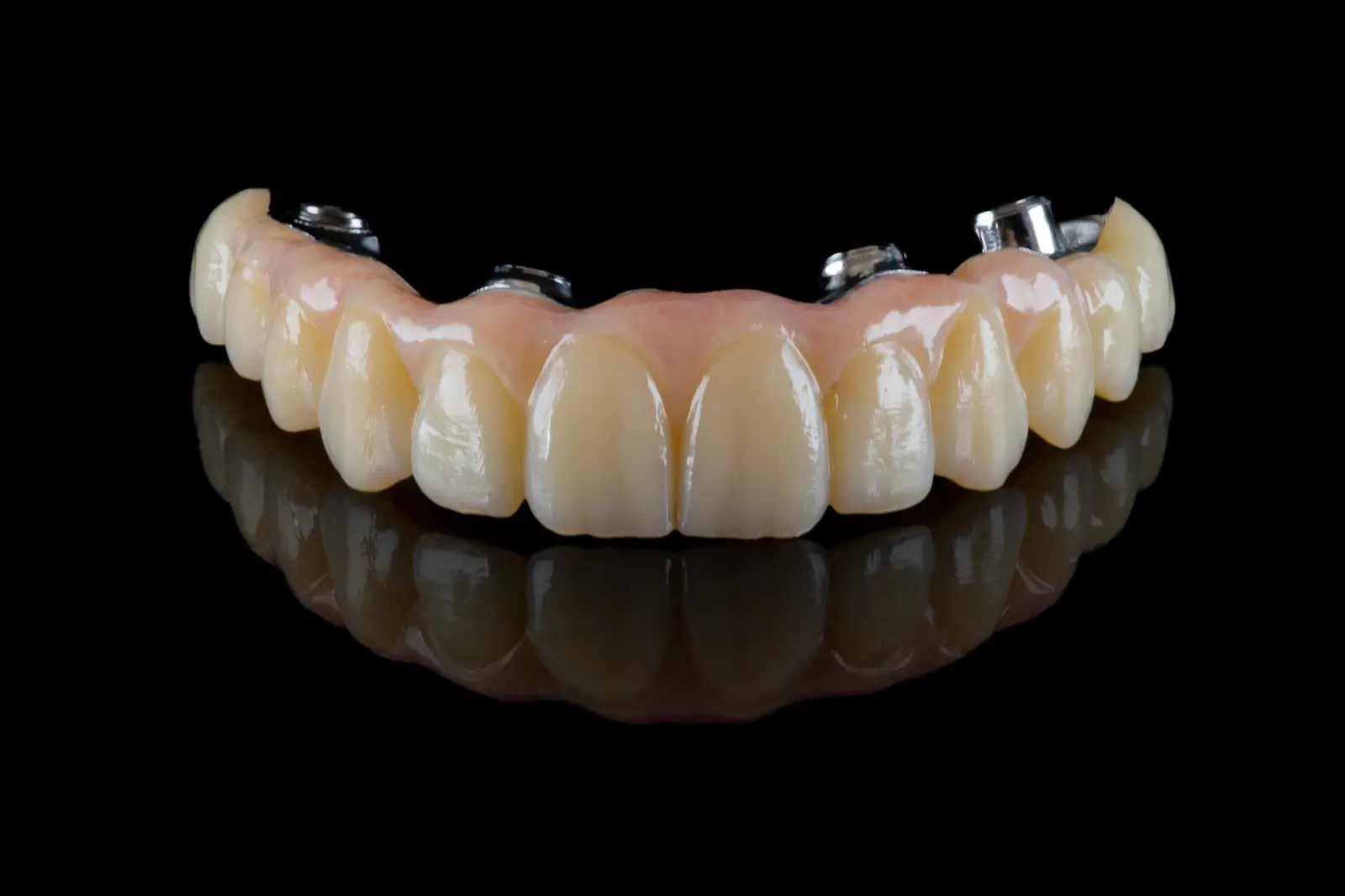
In cases where the wax-up can be executed purely additively (which is quite rare with remaining teeth), we have the option of producing the mock-up indirectly. We often use this method in implant cases, producing a prototype of the restorations with which we have the opportunity to test and correct before the framework or the monolithic restoration is made.
Planning restorations therefore sets out the goal for us, determines the necessary treatments and supports their execution. Overall it makes for more confident, less stressful and more predictable work.