The advantages of backward planning
For understandable reasons it is worth aligning the ideas of the patient–clinician–dental technician trio about a definitive restoration, whether that is form, function, choice of material or the intervention required. To ensure this from the start of treatment, every single restoration has to be planned in advance. In this way we can carry out the treatments and execute the dental laboratory work starting from the end result to be achieved.
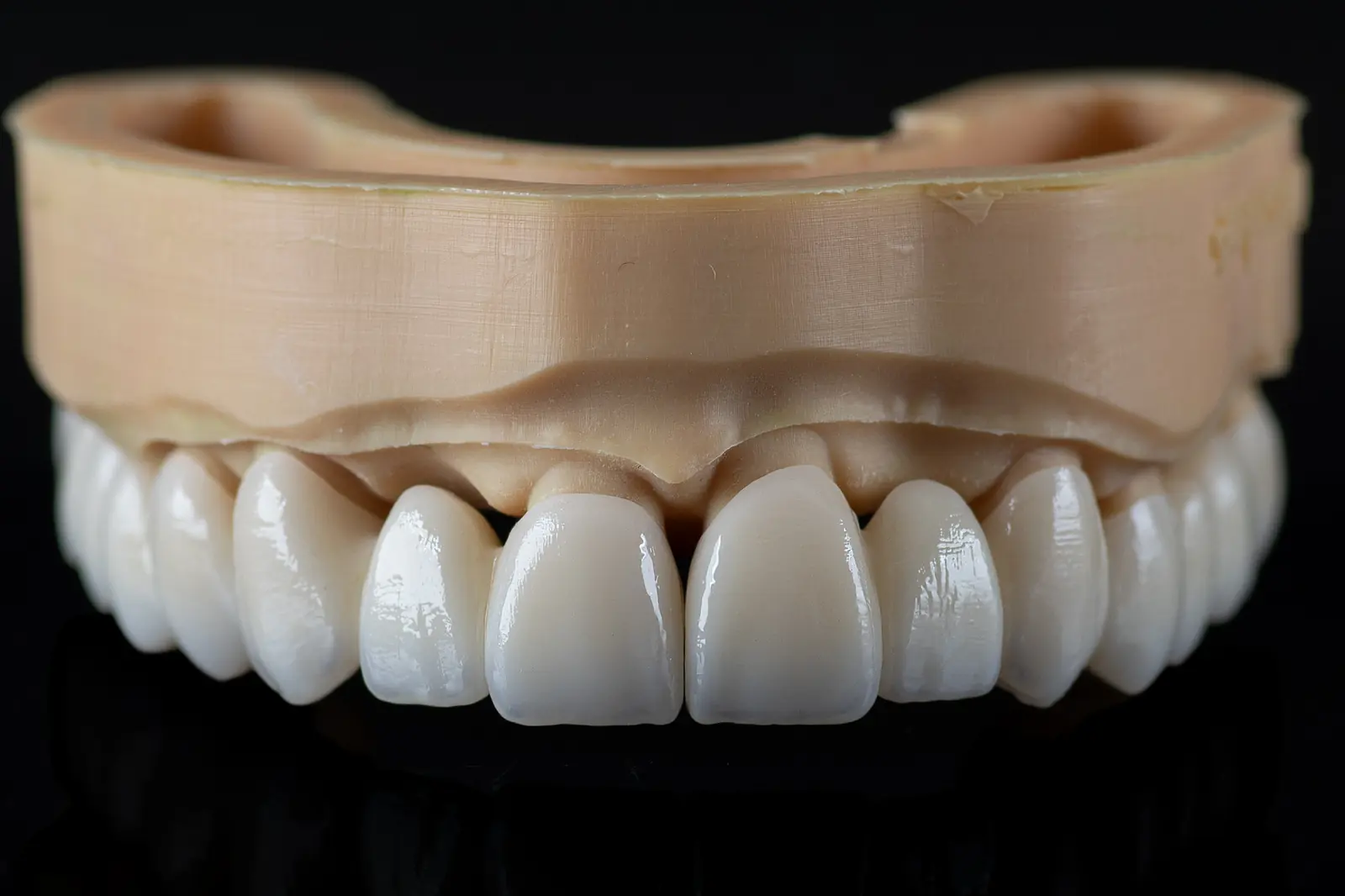
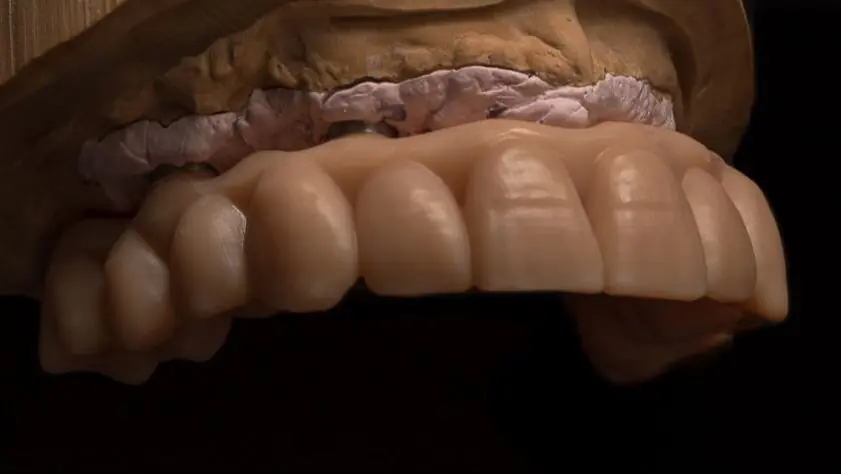
The first step of the dental laboratory work: the diagnostic waxing, the wax-up.
For this we first need study impressions and a preliminary treatment concept. On this basis we wax up the anatomy of the future restorations in the laboratory. In this way we can plan the appropriate aesthetics and function, assess what can be achieved in the given case, which teeth have to be prepared and to what extent, and anticipate the need for other treatments.
This wax-up can also be made fully digitally, from both conventional and digital impressions. In that case we print a model containing the design, and continue working with it.
If the patient is not yet committed to the treatment, a mock-up can be made in the practice or a prototype in the laboratory on the basis of the wax-up, so the definitive aesthetics and function can be previewed. This can be motivating for the patient, who may also request changes to the design.
On the basis of the wax-up we can make various silicone keys, which can help check that adequate space has been created during tooth preparation.
The mock-up can also help to remove as little tooth substance as possible.
With the help of the silicone keys, even the chairside temporary or a direct veneer can be made straight away.
Finally, once it is accepted, knowing the final form also makes producing the definitive restoration significantly easier.
The functions of the wax-up are therefore:
communication between practice, patient and laboratory
aesthetic and functional test
patient motivation
preparation guide
temporary guide
guide for the definitive work
If we do not economise on the thorough planning of a restoration, we can protect both ourselves and the patient from later disappointment. We also support the execution of the further steps, while significantly easing preparation and the making of the chairside temporary. Not least, we avoid corrections that are hard to carry out on the definitive work and greatly reduce the quality of the end result, and possible remakes.
I believe this is what is called a common interest.