The role of provisionals in treatment
Don't make the temporary too nice, or the patient won't come back! Many of us have heard this — let's call it a motivational trick — as this treatment concept has plenty of followers. However, if we provide this kind of low-quality temporary care, it also limits the quality of the definitive restoration to a medium level at best.
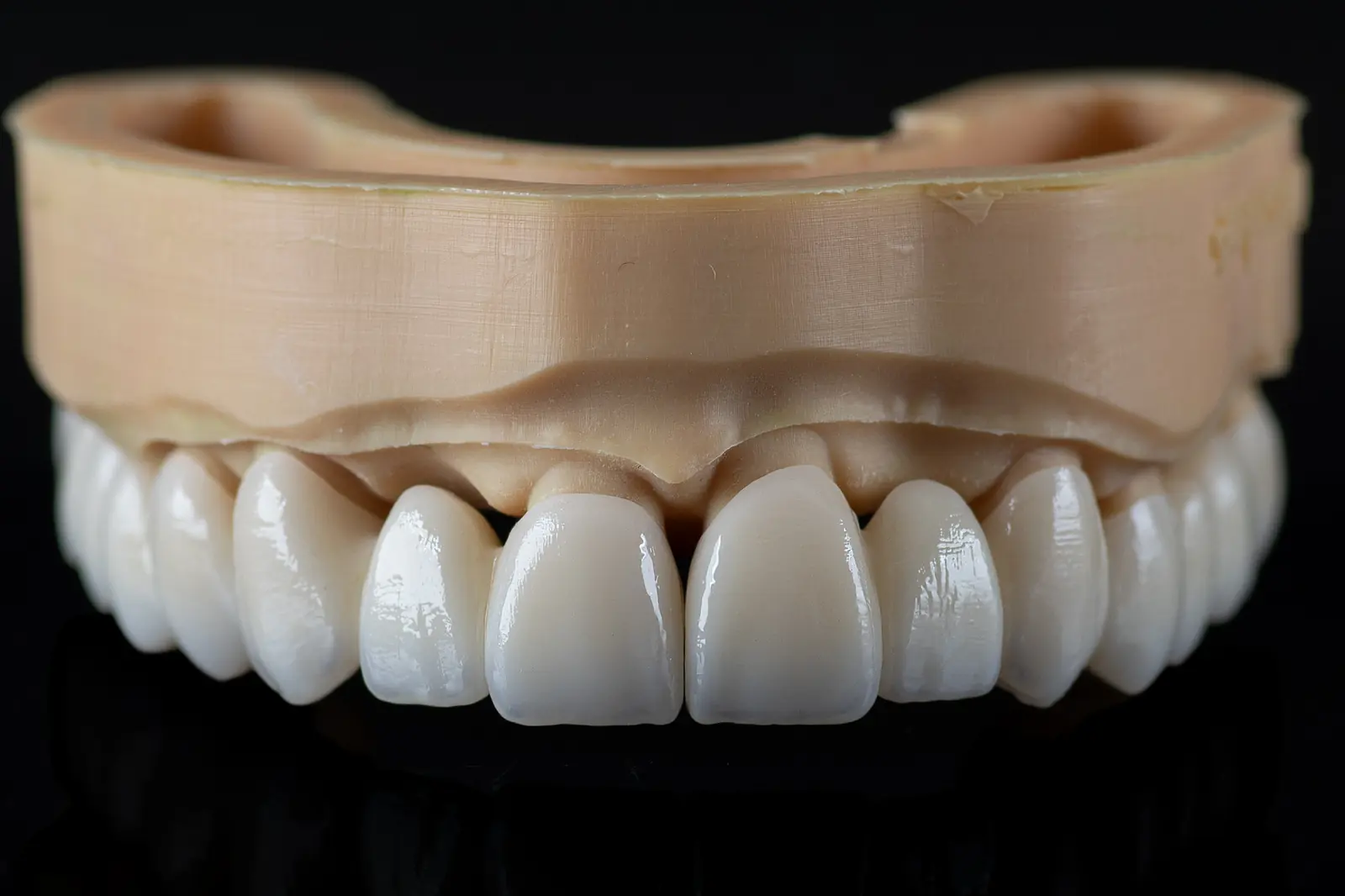
To raise the execution of restorations to a higher level, we have to move beyond this philosophy. A well-designed and well-executed temporary has to fulfil a number of functions.
These are the following:
protecting the prepared teeth
preventing caries
carrying information for (further) preparations
preserving and shaping the position and form of the gingiva, and maintaining periodontal health
diagnostic help in determining the correct vertical dimension, occlusion, occlusal plane and incisal length
preserving the position of the teeth and preventing occlusal changes
ensuring the patient's physical comfort
testing function, aesthetics and phonetics
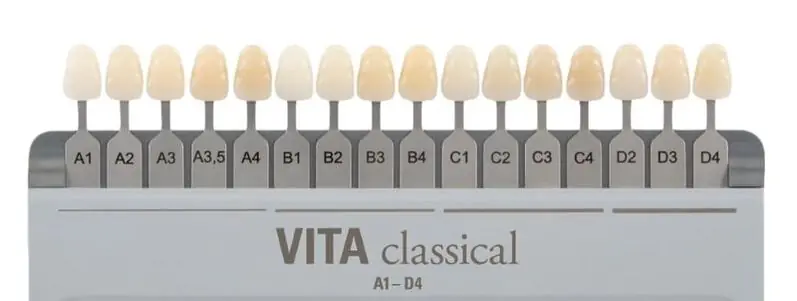
an opportunity to gain acceptance for the definitive form, texture and tooth shade
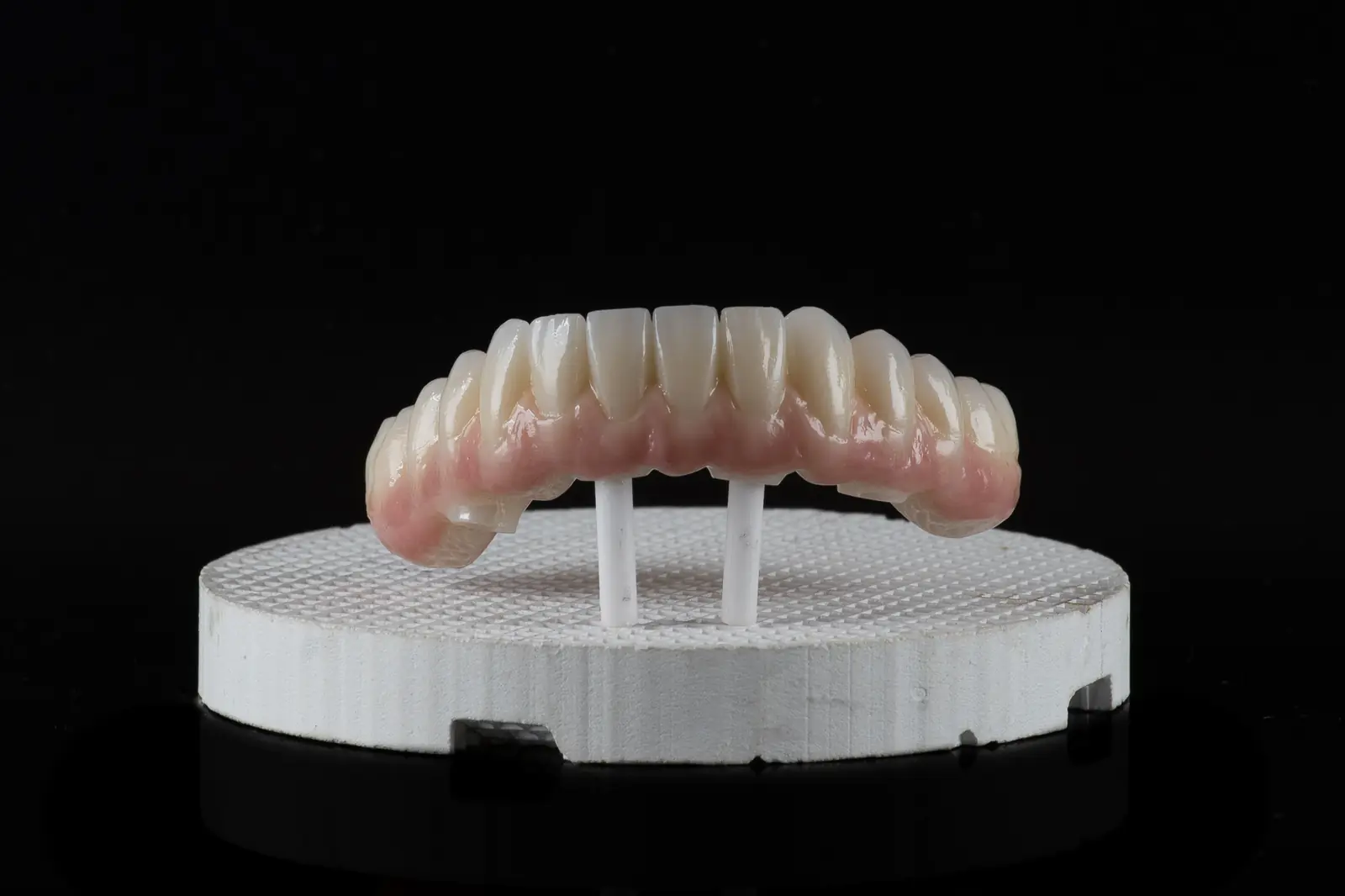
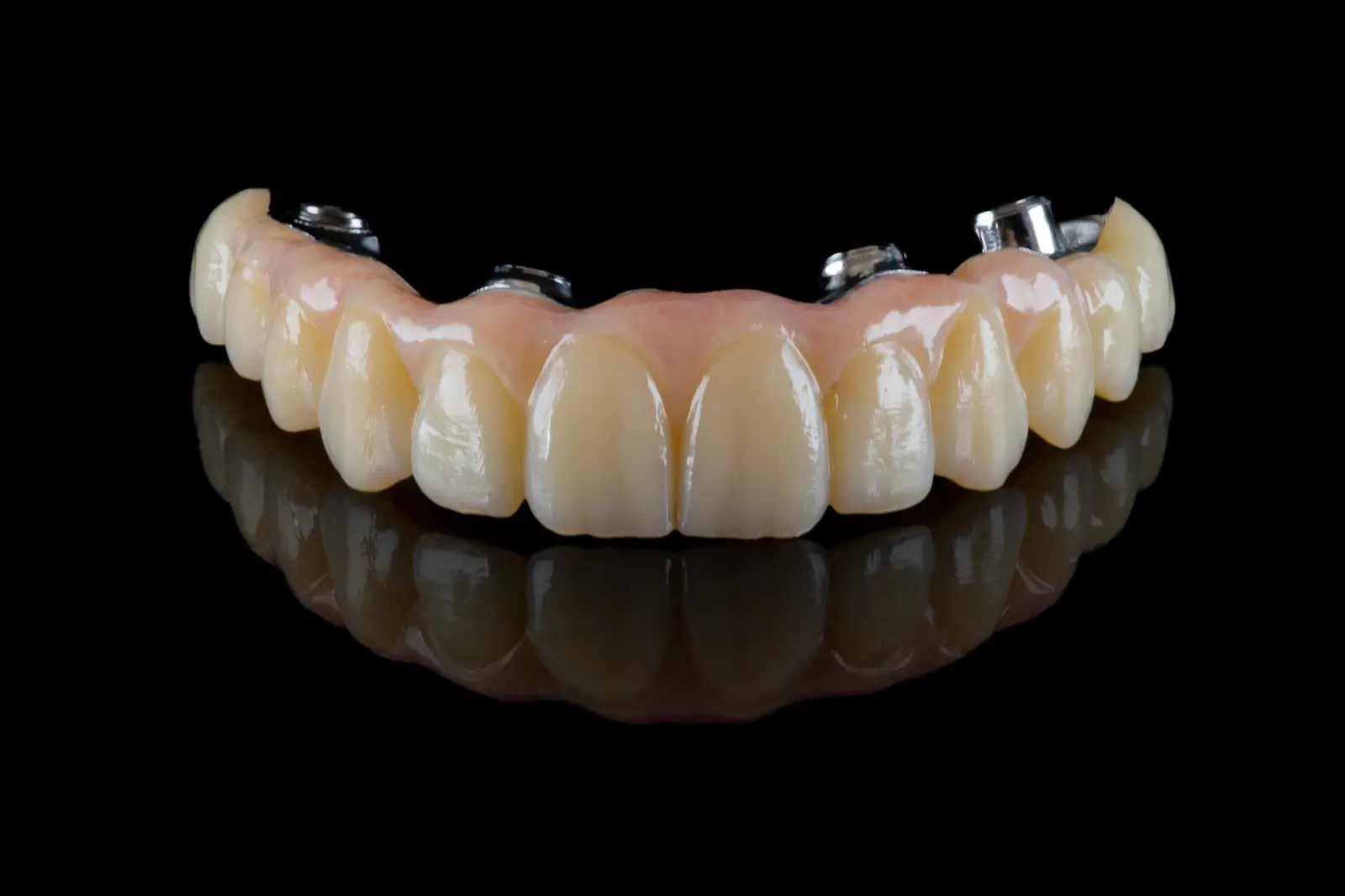
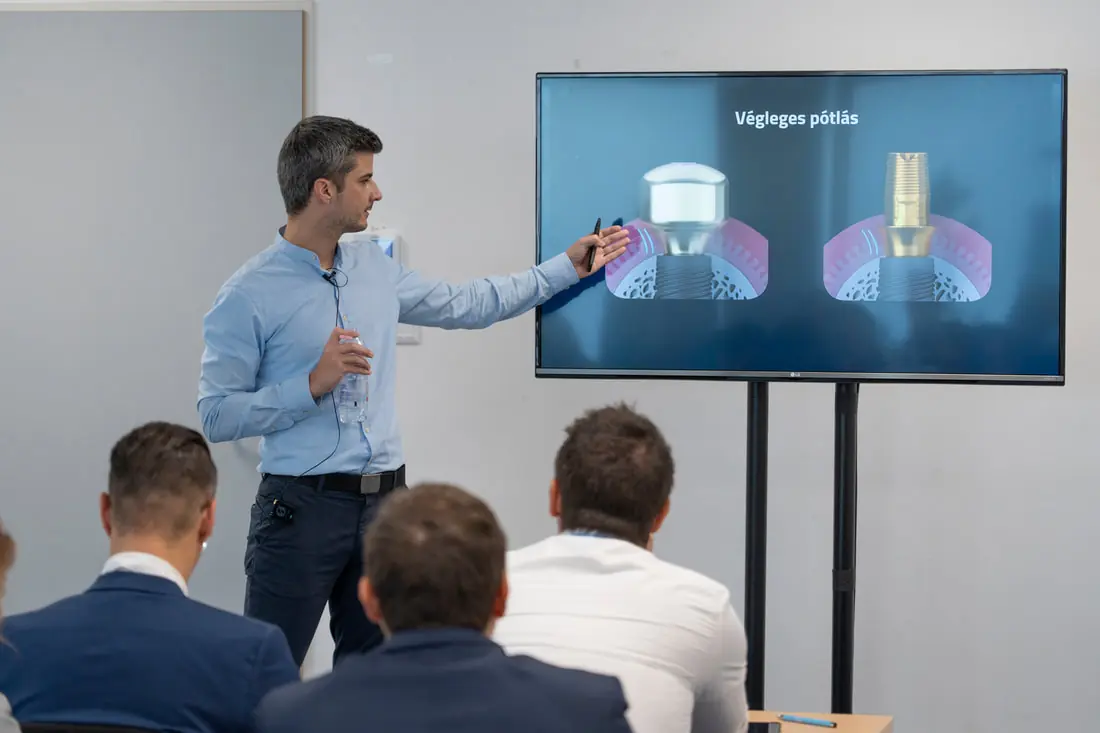
in the case of implants, ideal shaping of the gingival contour
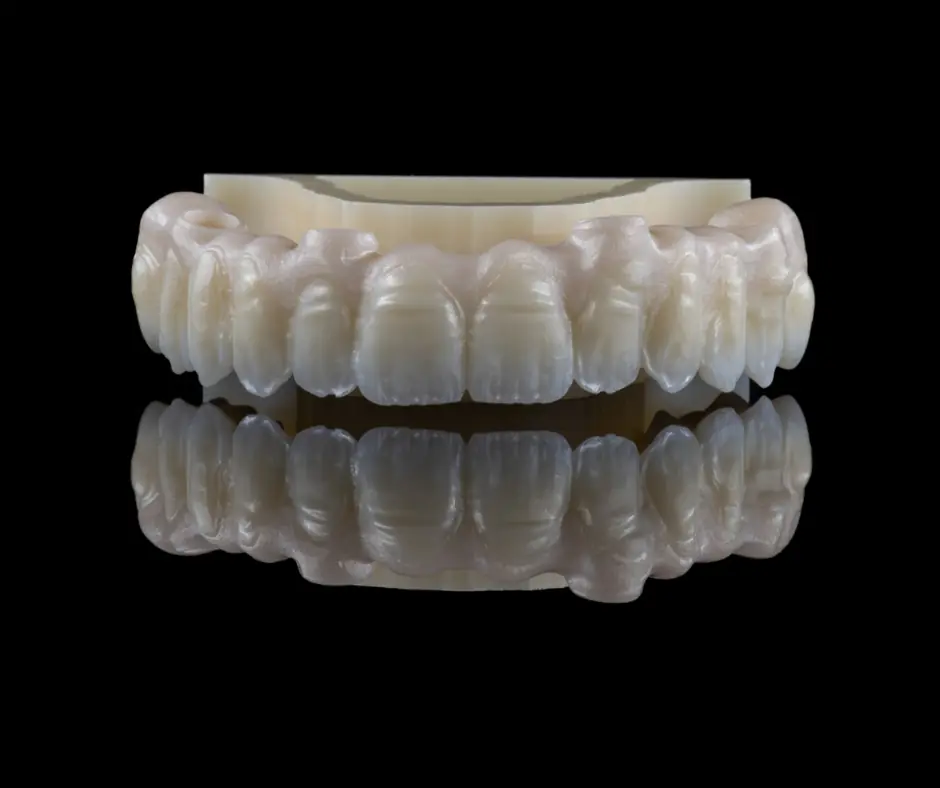
A temporary — or rather transitional — restoration made according to these criteria helps to recognise and eliminate any problems before the definitive restoration, so we can assess the chances of final success. We get an accurate picture of intercuspation, tooth guidance and vertical dimension. It helps us diagnose parafunctions and temporomandibular joint dysfunction. We can assess in advance the comfort, function and aesthetics of the later definitive restoration, and so project its durability and quality.
It would be a shame to miss this opportunity.