3 methods for finishing chairside crowns
The development and spread of digitalised workflows, and of chairside systems in particular, generated heated debate and provoked misgivings in a significant part of the dental technician profession. The promise of automated processes and the possibility of restorations produced in the practice may have given many a feeling of being easily replaceable. We became "expendable".
The digital design of a crown, and then its manufacture and finishing, cannot be automated. Simpler and faster processing can involve compromises in aesthetics, precision and durability alike. Achieving truly excellent results already involves an investment of time and material that is not cost-effective for a dental practice.
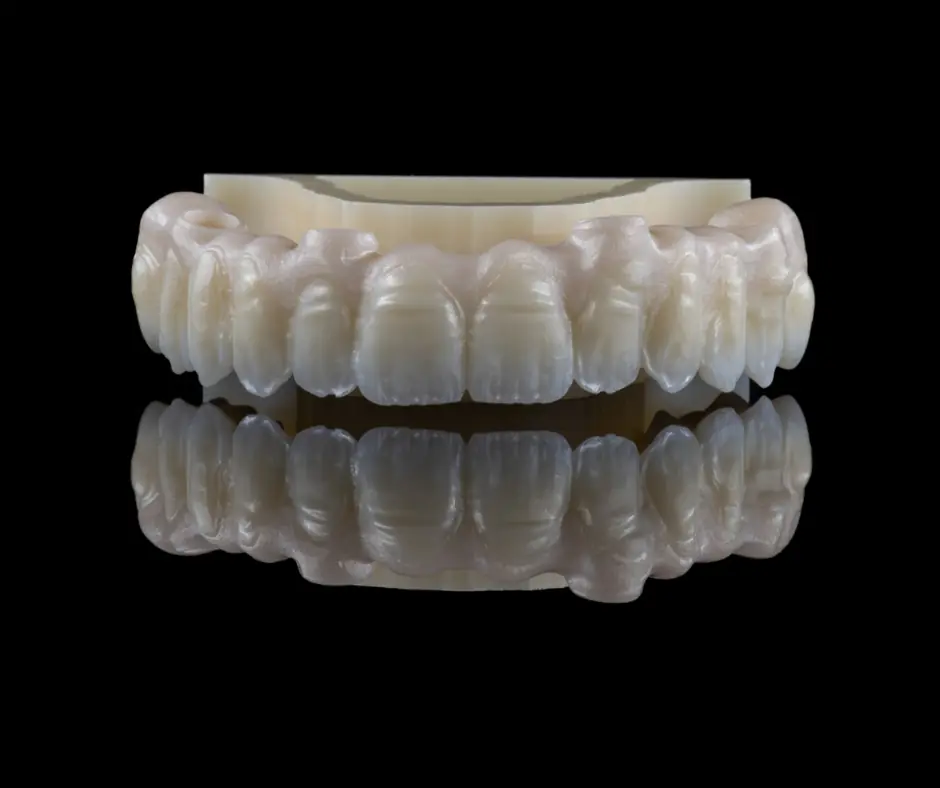
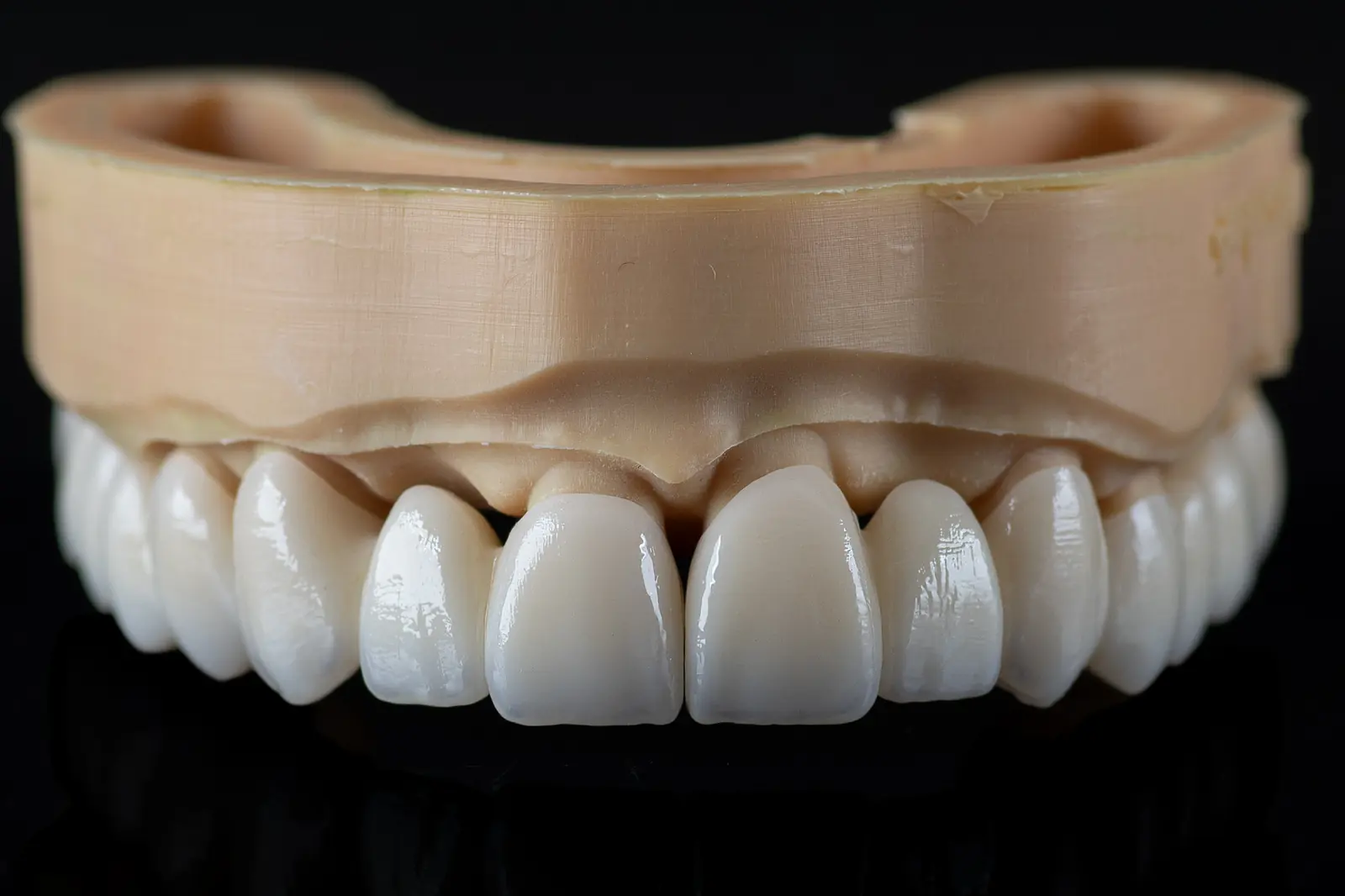
We would like to show why we took it into our product range and how we work with a material originally intended for chairside use. This is Straumann N!CE glass ceramic.
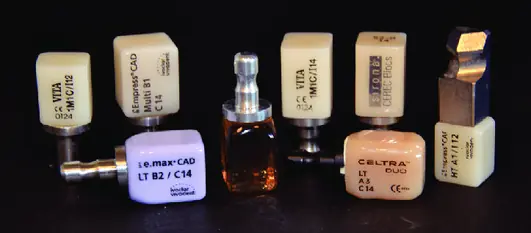
From a materials point of view, the most widespread chairside restorations can be placed in 4 main groups:
PMMA — VITA CAD-Temp, Ivoclar Telio CAD
composite — Coltène/Whaledent Brilliant Crios
hybrid (composite with ceramic filler) — VITA Enamic, Upcera Hyramic, Shofu Block HC, GC Cerasmart
glass ceramic — Ivoclar E.max CAD, VITA Suprinity, Straumann N!CE
We use PMMA restorations for temporary treatment; depending on the material, the maximum wearing time is 3–6 months.
Composite, hybrid and ceramic are materials intended to be definitive.
It can be said of all production by milling that we can manufacture the restorations with great accuracy. However, human intervention and analogue processing are needed in every case for the fit, and especially for creating the grooves, fissures and surface structures.
After milling and finishing, completion can take place in 3 ways:
Mechanical polishing
Can be used with all 4 material types
+ No great machine or material requirement. Requires finishing and polishing tools.
+ The fastest method
- The least aesthetic solution
- No opportunity for correction
- We do not provide the restoration with a fluorescent layer
Primarily applicable in chairside / one-visit dentistry use.
Using light-curing stains and glaze
Can be used with the first 3 material types
+ There is an opportunity to use stains, so it is more aesthetic
+ We can seal the surface with a layer of glaze
- Requires a greater investment in material and tools
- We do not provide the restoration with a fluorescent layer
- The light-curing glaze layer is less durable than a fired one
Firing in a ceramic furnace
Can only be used with glass ceramic!
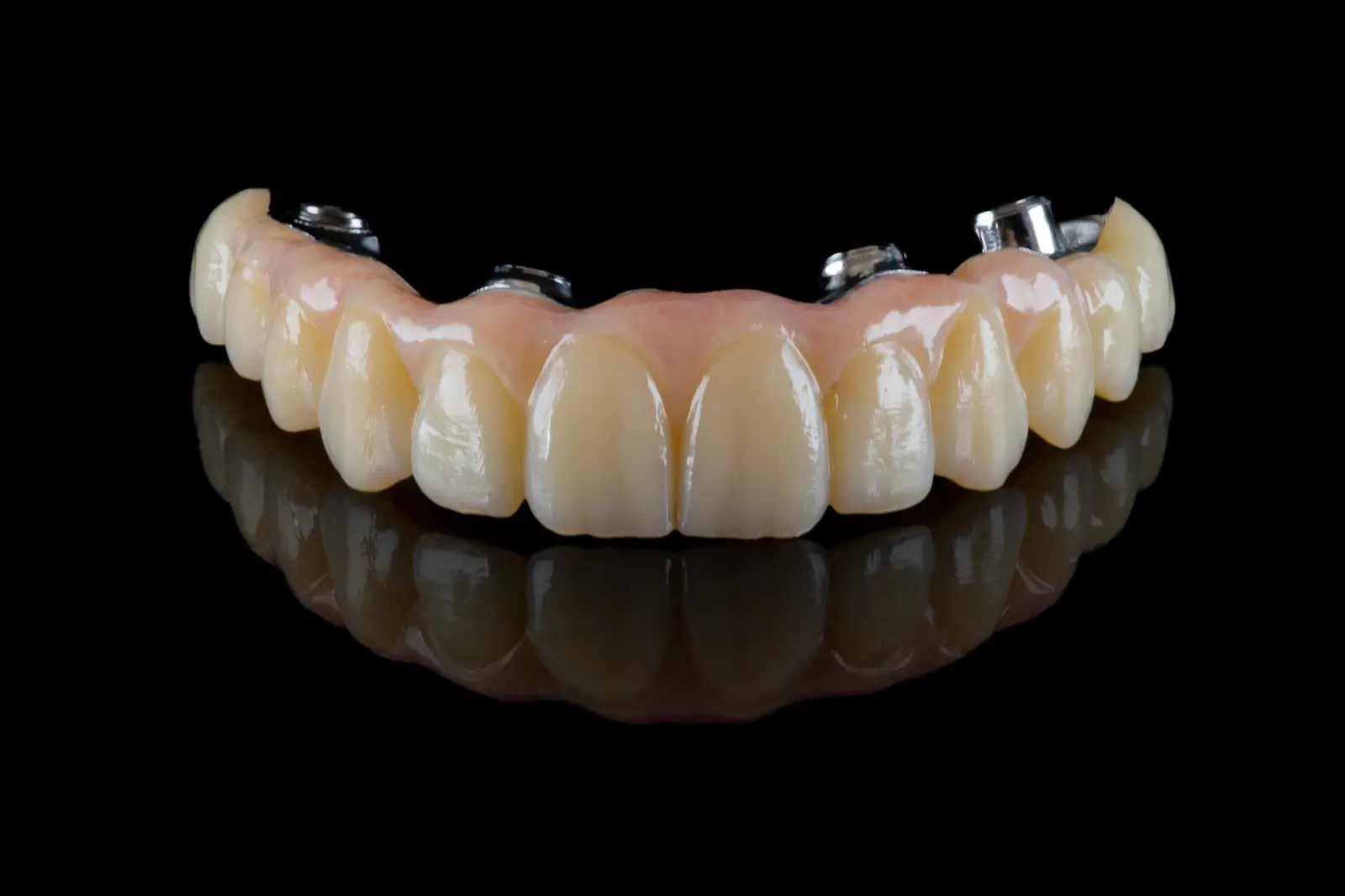
+ The most aesthetic and most durable solution
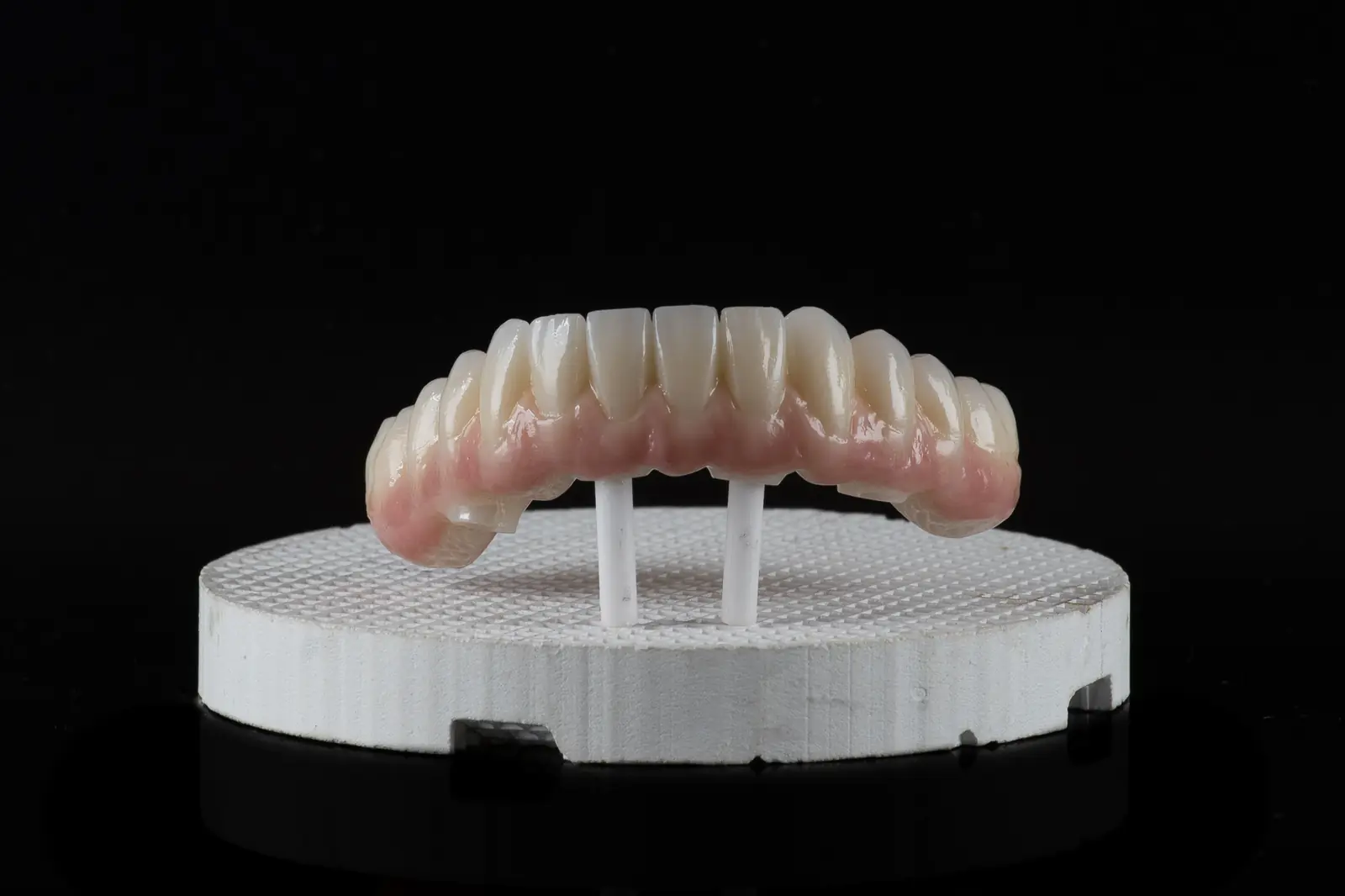
+ During firing the ceramic gains its final translucency, similar to that of a natural tooth
+ We can individualise the restorations with ceramic stains
+ During glaze firing, fluorescent materials are also available
+ We have the opportunity to correct by firing on special ceramic
- The process involving the greatest investment of machinery, material and time
We strive for the best in durability, aesthetics and precision alike. This is why, among the available chairside materials, only glass ceramics can come into consideration for us for making definitive restorations, with completion in a ceramic furnace. The advantage of N!CE over other glass ceramic blocks is that no separate crystallisation firing is needed after the milling process. It can be machined very precisely, characterised well, and correction is also possible if needed. The use of this material fits into the laboratory's portfolio. By using it we can simultaneously exploit the precision inherent in digital processes and the individuality and aesthetics that craftsmanship provides.